Blog Search
Current Inflation Speaks: Why Further Rate Cuts May Have to Wait
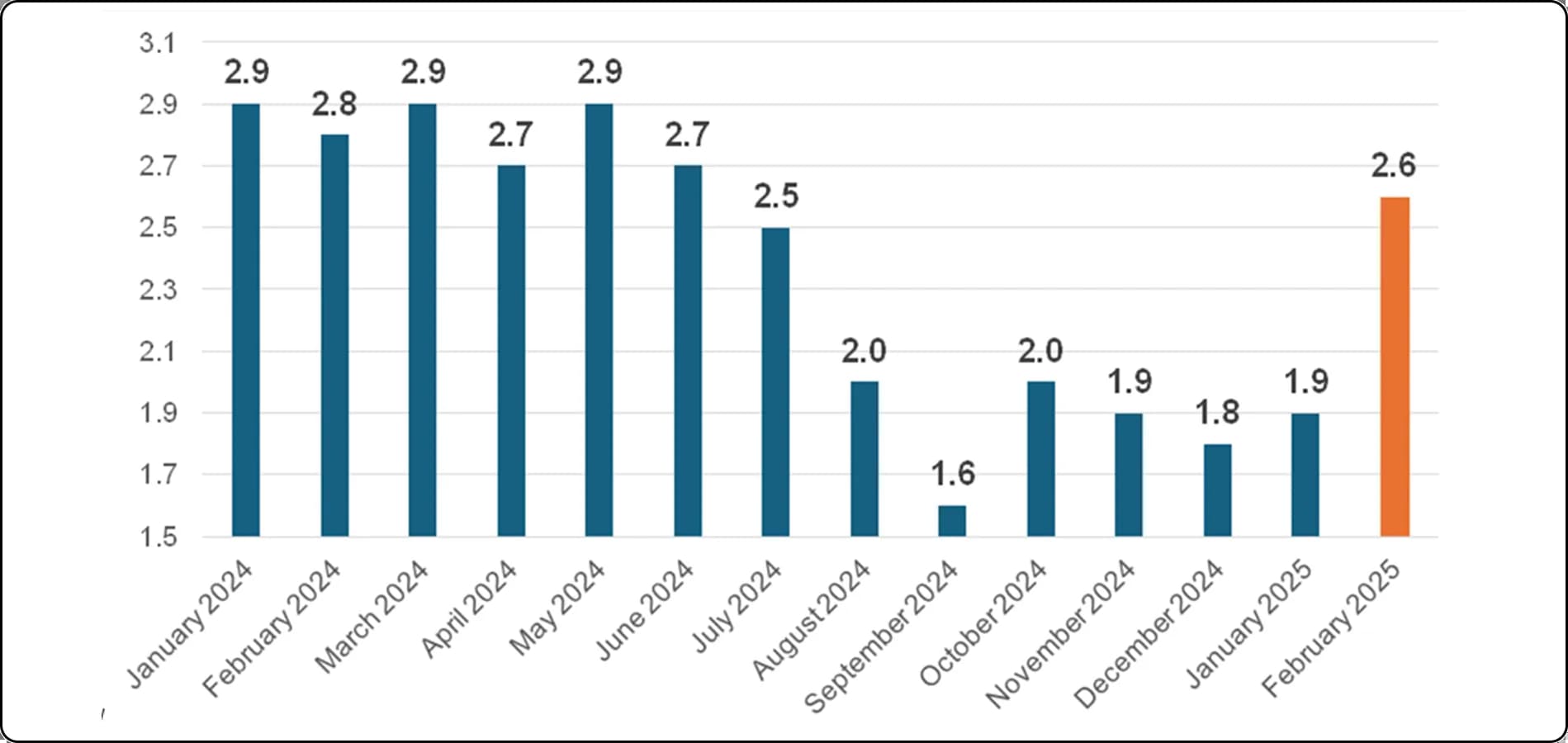
On March 18, 2025, Canada’s CPI index rose by 0.7%, pushing the inflation rate to 2.6%—the highest since June 2024. This surge places inflation 0.6% above the Bank of Canada’s target, despite the central bank's persistent efforts to keep it in check. Unsurprisingly, this spike has sparked concern among economists and the public alike, as it jeopardises the BoC’s streak of rate cuts. Many are now predicting a pause on further reductions.
In this blog, we’ll explore the likelihood of these forecasts coming true and examine the key factors that led us to this point.
THE CAUSE OF THE RISE
Many of you might be quick to pin the blame entirely on the recent tariffs imposed by the U.S. and Canada on each other—and while those tariffs certainly play a major role, they’re not the sole cause of this inflation surge.
01Tariffs and Trade Wars
The ongoing trade tensions between Canada, the U.S., Mexico, and China have been a key factor in this economic shift. We’ve previously covered the details of these trade wars, including the reasons behind them and their broader impact. Read our detailed breakdown here.
To summarise: On March 4th, the U.S. imposed a 25% tariff on Canadian exports. In response, Canada retaliated with a similar tariff on U.S. goods. This tariff war has made a wide range of products, including food items and electronics, significantly more expensive for Canadian businesses to import and export.
As businesses face rising costs, they’ve passed those increases on to consumers, driving up prices and reducing purchasing power. As consumers spend more on essential goods, overall discretionary spending has taken a hit, further contributing to inflation.
02The End of the Federal Tax Break
Another key contributor to the recent inflation spike is the end of the federal tax break on GST and HST. This temporary measure, introduced by the Canadian government on December 14, 2024, was designed to provide relief on everyday essentials but officially expired on February 15, 2025. Its removal added noticeable upward pressure on prices.
Since taxes are factored into the CPI, the expiration of the tax break directly impacted inflation. Several sectors were hit harder than others:
- Restaurant Prices: The price drop for restaurant food slowed significantly, declining by only -1.4% in February compared to a -5.1% drop in January. This slowdown made restaurant food prices one of the most significant contributors to the increase in the CPI.
- Alcohol Prices: A similar pattern emerged with alcohol prices, which experienced a smaller decline of 1.4% in February, down from a 3.6% decline in January.
- Regional Impact: The effect of the tax break’s expiration varied across provinces. Those with HST (which combines federal and provincial taxes) were hit harder since both taxes had been temporarily removed. Meanwhile, provinces with separate PST and GST systems saw a less severe impact.
THE CORRELATION BETWEEN POLICY RATES AND INFLATION
The Bank of Canada (BoC) uses interest rates as a key tool to manage inflation. When inflation rises, the BoC increases rates to slow borrowing and spending, which helps reduce demand and lower prices. Conversely, when inflation is low, the BoC cuts rates to encourage borrowing and spending.
A clear example of this occurred in 2022, when Canada's inflation rate reached 8.1%. To curb it, the BoC raised its policy rate from 0.25% to 4.25%, making loans like mortgages and car financing more expensive. This slowed consumer spending and eventually eased inflation.
NO MORE RATE CUTS?
Currently, inflation has climbed to 2.6%, surpassing the BoC’s 2% target. This reduces the likelihood of further rate cuts. Over the past seven rate announcements, the BoC steadily lowered rates from 5% to 2.75%. But with inflation now rising, the BoC may have to pause these cuts to prevent overheating the economy. If inflation falls below the BoC’s 2% target, they may reduce rates again to stimulate the economy, but at the moment, it's unlikely.
As higher inflation squeezes consumer purchasing power and borrowing costs stabilise, the economy may slow down in the months ahead. Whether inflation stabilises or continues to rise remains to be seen—but for now, rate cuts appear to be off the table.


Blog Search
Popular Blogs
Popular Blogs
The trademarks MLS®, Multiple Listing Service® and the associated logos identify professional services rendered by REALTOR® members of CREA to effect the purchase, sale and lease of real estate as part of a cooperative selling system.