Blog Search
Why Homeownership Dreams Are on Hold for 68% of Canadians

On December 15, 2024, new mortgage reforms came into effect, allowing first-time homebuyers to secure insured mortgages of up to $1.5 million with an extended amortization period of up to 30 years for new builds. Alongside these changes, the federal government plans to introduce a Renters' Bill of Rights and a Homebuyers' Bill of Rights, while pursuing an ambitious goal of constructing 3.5 million new homes by 2030.
These measures aim to address the worsening affordability crisis that has gripped Canada for years. While they are undoubtedly steps in the right direction, tackling a housing crisis that has been escalating for two decades is a monumental challenge—one that will take significant time and effort to overcome.
Which leads us to the pressing question: What about the meantime?
THE AFFORDABILITY CRISIS - AN UNIVITED GUEST THAT REFUSES TO LEAVE
According to multiple RBC reports, over 68% of Canadians are unable to afford homeownership due to a perfect storm of wage stagnation, inflation, unemployment, and the rising cost of living.
Adding to the challenge is Canada’s growing population, which surpassed 41.3 million in 2023 and is projected to reach 44.8 million by 2040, driven largely by immigration. This rapid growth is likely to put even more strain on an already stretched housing market, making it reasonable to expect the crisis will worsen in the years to come.
Homeownership rates have already fallen from 68.5% to 66.2%, and more than two-thirds of Canadians now live in unaffordable housing situations. With homeownership increasingly out of reach, many Canadians are turning to renting as a fallback. As of June 2024, 33% of Canadian households are renters—the highest proportion ever recorded. In 28 of Canada’s 50 major cities, the percentage of renters exceeds the national average.
In cities like Vancouver, Victoria, Kelowna, and Toronto, the average family spends over 45% of their income on rent—far above the 30% affordability threshold. This leaves families with little room for other essentials, intensifying financial strain.
Unfortunately, the rental market is struggling to keep up with this surging demand.
CURRENT STATE OF RENTAL HOUSING - MOVE OUT, IT'S GONNA FALL
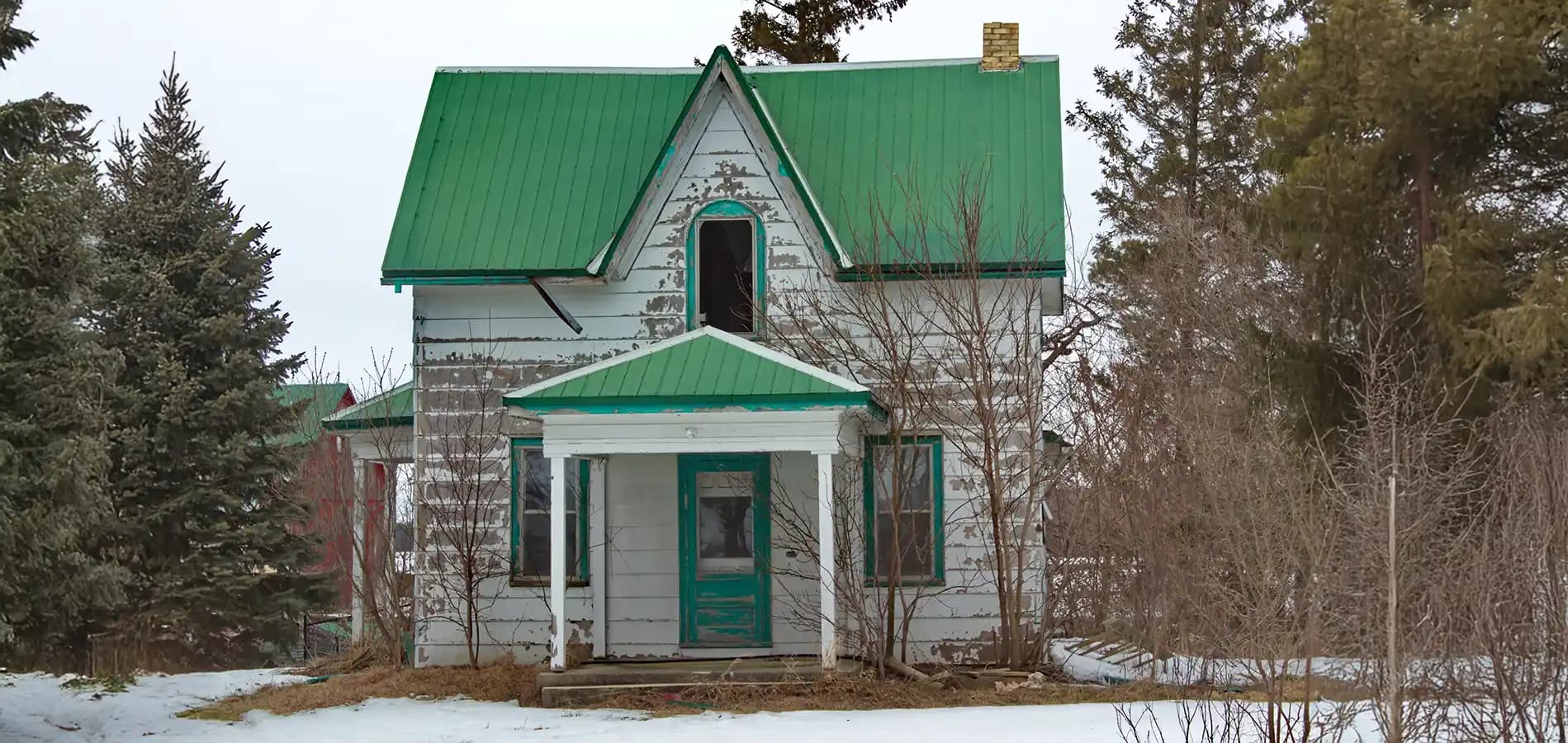
Unlike housing the solution to rental problems is not as easy as "just build more" since more than half of Canada's rental properties were built between 1960 and 1979. Yes, more than 80% of rental properties in Canada are before the 2000's, do you feel old yet?
According to CMHC, over three-quarters of the properties in the primary rental market are over 30 years old. Not only are these properties aging, but many are also poorly maintained, often requiring significant repairs and upgrades to meet modern living standards. Landlords face mounting costs for upkeep, including plumbing, electrical systems, and structural integrity, making it challenging to keep rents affordable while covering expenses.
Adding to the complexity, strict redevelopment policies in cities like Vancouver limit the ability to replace aging buildings with newer, more efficient ones. These policies, designed to preserve rental stock and prevent tenant displacement, inadvertently constrain the supply of modern rental units, further exacerbating the housing crisis. Without incentives or regulatory flexibility to modernize existing properties or build new ones, the gap between demand and availability in the rental market continues to widen.
THE SUGGESTED SOLUTION
Addressing Canada’s rental housing crisis requires a multi-pronged approach that balances immediate needs with long-term sustainability. Both industry players and policymakers must work together to implement solutions that modernize aging rental stock while expanding housing options for future generations.
01Dual Focus: Building and Upgrading
To tackle the affordability crisis, governments and the real estate industry need to strike a balance between constructing new rental properties and upgrading existing ones. New builds are essential to meet the growing demand, especially as Canada’s population continues to rise. Simultaneously, retrofitting older properties to improve safety, energy efficiency, and living conditions can help sustain the current rental stock, which comprises more than three-quarters of the primary rental market.
02The Role of Financialized Operators
Large, sophisticated firms have a unique opportunity to lead the charge in modernizing Canada’s rental housing. With access to significant capital and expertise, these organizations can efficiently upgrade properties while adhering to environmental, social, and governance (ESG) principles. By adopting sustainable practices, such operators can set a benchmark for the industry, ensuring that rental housing evolves to meet both current and future needs.
THE BOTTOM LINE

The boom in rental property construction during the late 1940s was driven by several federal incentives, including 75% funding for public social and rental housing, with provinces contributing the remaining 25%. These incentives played a key role in expanding the rental market at the time. Unfortunately, such support is no longer available, which could be a significant factor contributing to the slowdown in rental property construction.
Moreover, with over 89% of land in Canada being Crown land — owned by the government and unavailable for private purchase — the supply of land for new housing is limited.
According to CMHC estimates, Canada has the potential to produce over 400,000 new homes annually. However, in 2023, there were only 240,267 housing starts, falling significantly short of this potential. This gap in new construction highlights the challenges we face in meeting housing needs, particularly in the rental market.
Given the current housing affordability crisis and the difficulty in addressing it in the short term, it may be wise to shift focus toward upgrading and maintaining existing properties. While the federal government works to address broader housing reforms and affordability issues, many people will continue to feel the strain. Therefore, alongside efforts to build new homes and implement homebuyer reforms, it may be prudent for the federal government to also turn attention to improving the quality of the rental market.


Blog Search
Popular Blogs
Popular Blogs
The trademarks MLS®, Multiple Listing Service® and the associated logos identify professional services rendered by REALTOR® members of CREA to effect the purchase, sale and lease of real estate as part of a cooperative selling system.