Blog Search
The Truth About Buying Your First Home No One Tells You
It usually doesn’t start with numbers.
It starts with a feeling.
Maybe it’s the idea of stability. Maybe it’s family. Maybe it’s just the quiet thought—it’s time. Buying a home feels like a milestone, something bigger than just a transaction. And that’s exactly why most people get it wrong.
Because they lead with emotion, and forget the structure that makes the emotion sustainable.
Owning a home isn’t just about getting the keys. It’s about making sure you can keep them.
Step One: Get Clear Before You Get Excited
The biggest mistake buyers make is falling in love too early—with a property, a view, or even a deal.
Before you even start looking, define what you actually need.
Not what looks good on Instagram. Not what someone else bought.
What works for your life?
Think about location—not just today, but five years from now. Think about size—will it grow with you, or restrict you? Think about purpose—is this your primary home, or an investment?
Clarity here saves you from regret later.
Step Two: Build a Budget That Doesn’t Break You
Most people ask: How much loan can I get?
The better question is: How much can I afford without stress?
There’s a difference.
A home loan isn’t just a number—it’s a monthly commitment that will follow you for years. If your budget stretches you too thin, the house starts owning you instead of the other way around.
A good budget doesn’t just include EMIs. It leaves room for life.
Because life doesn’t stop after you buy a house.
Step Three: The Costs You Don’t Think About (But Should)
Here’s where reality kicks in.
Your EMI is just the beginning.
There’s electricity, water, maintenance charges, groceries, transport, and your everyday lifestyle. Then there are one-time costs—legal fees, registration, inspections, and closing expenses that can quietly add up to a significant amount.
Many buyers ignore this part.
And that’s why the “dream home” sometimes turns into financial pressure.
The smarter approach? Look at the full picture before you commit.
Step Four: Stability Is More Important Than Speed
There’s always a rush in real estate.
Limited inventory. Rising prices. Fear of missing out.
But rushing without stability is risky.
Lenders look for consistent income—and you should too. A stable job or business isn’t just about loan approval; it’s about your peace of mind.
Because once you commit, there’s no pause button.
Your income needs to support your decision not just today, but consistently over time.
Step Five: Use What’s Available to You
Many first-time buyers assume they’re on their own.
They’re not.
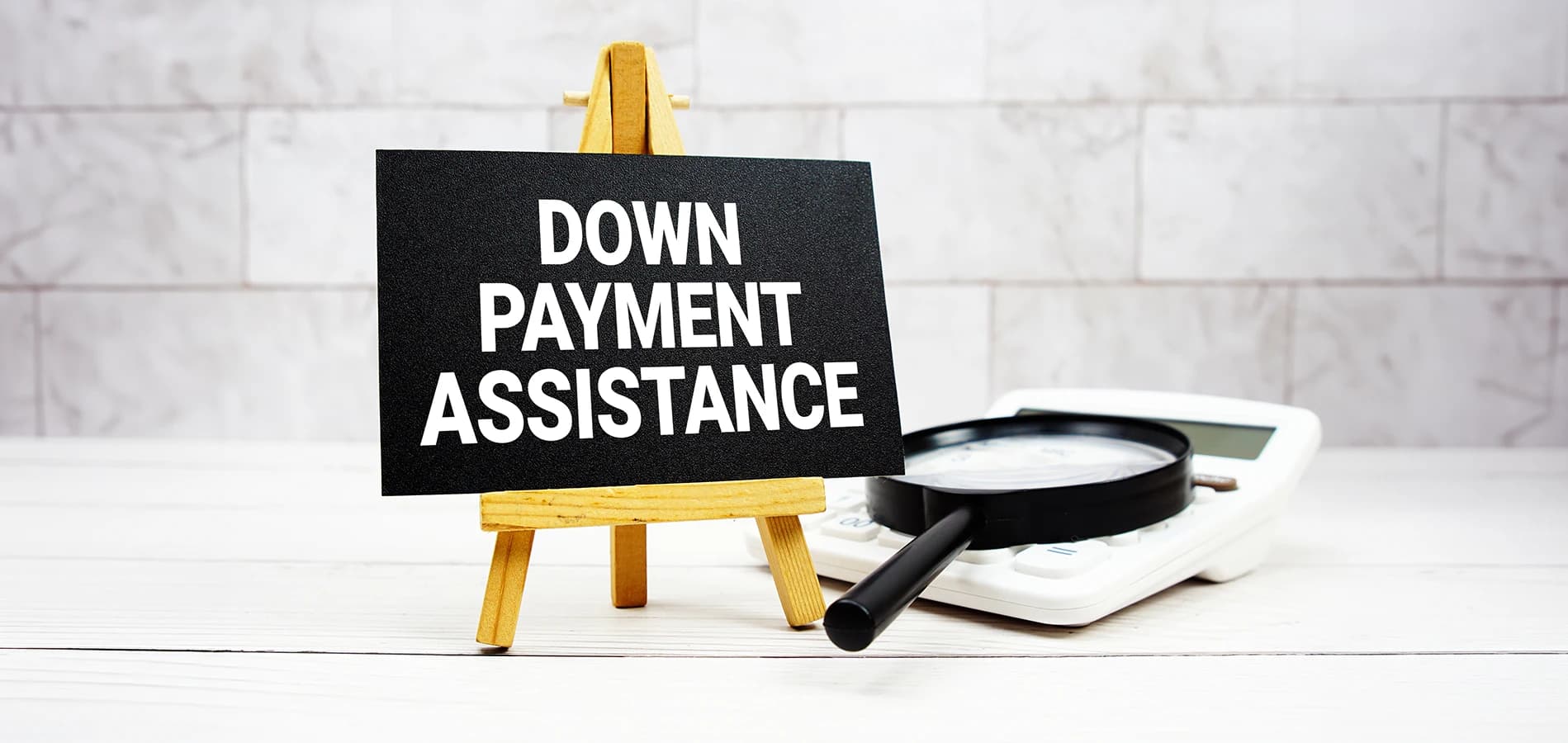
There are benefits, programs, and financial tools designed to make homeownership more accessible. These can reduce your upfront burden and improve affordability.
But here’s the catch—most people either don’t research them or don’t fully use them.
That’s money left on the table.
If you’re buying your first home, this step alone can make a noticeable difference.
Step Six: The Down Payment Myth
There’s a common belief—you need a huge lump sum to buy a home.
Not always true.
Yes, a higher down payment reduces your monthly burden. But there are flexible options that allow you to enter the market sooner.
The key is understanding the trade-off.
Lower upfront payment often means higher monthly costs or added insurance. So it’s not about choosing the smallest number—it’s about choosing the smartest structure.
Step Seven: The Final Stretch (Where Details Matter Most)
This is the part most buyers underestimate.
- Closing costs
- Legal work
- Registration
- Processing
Individually, they seem small. Together, they’re not.
If you don’t plan for them, they show up at the worst possible time—right when you’re about to close the deal.
Preparation here isn’t optional. It’s essential.
The Real Meaning of Owning a Home
At the end of it all, buying a home isn’t just a purchase.
It’s a long-term decision built on dozens of smaller ones.
Some emotional. Some financial. All important.
When done right, it gives you more than just a space.
It gives you stability. Security. A sense of control over your future.
But that only happens when the decision is balanced—not rushed, not forced, and not purely emotional.
Because the best home you can buy is the one you can comfortably live with.

Blog Search
Popular Blogs
Popular Blogs
The trademarks MLS®, Multiple Listing Service® and the associated logos identify professional services rendered by REALTOR® members of CREA to effect the purchase, sale and lease of real estate as part of a cooperative selling system.