Blog Search
Understanding the Basics: Requirements for Self-employed Mortgages in Canada
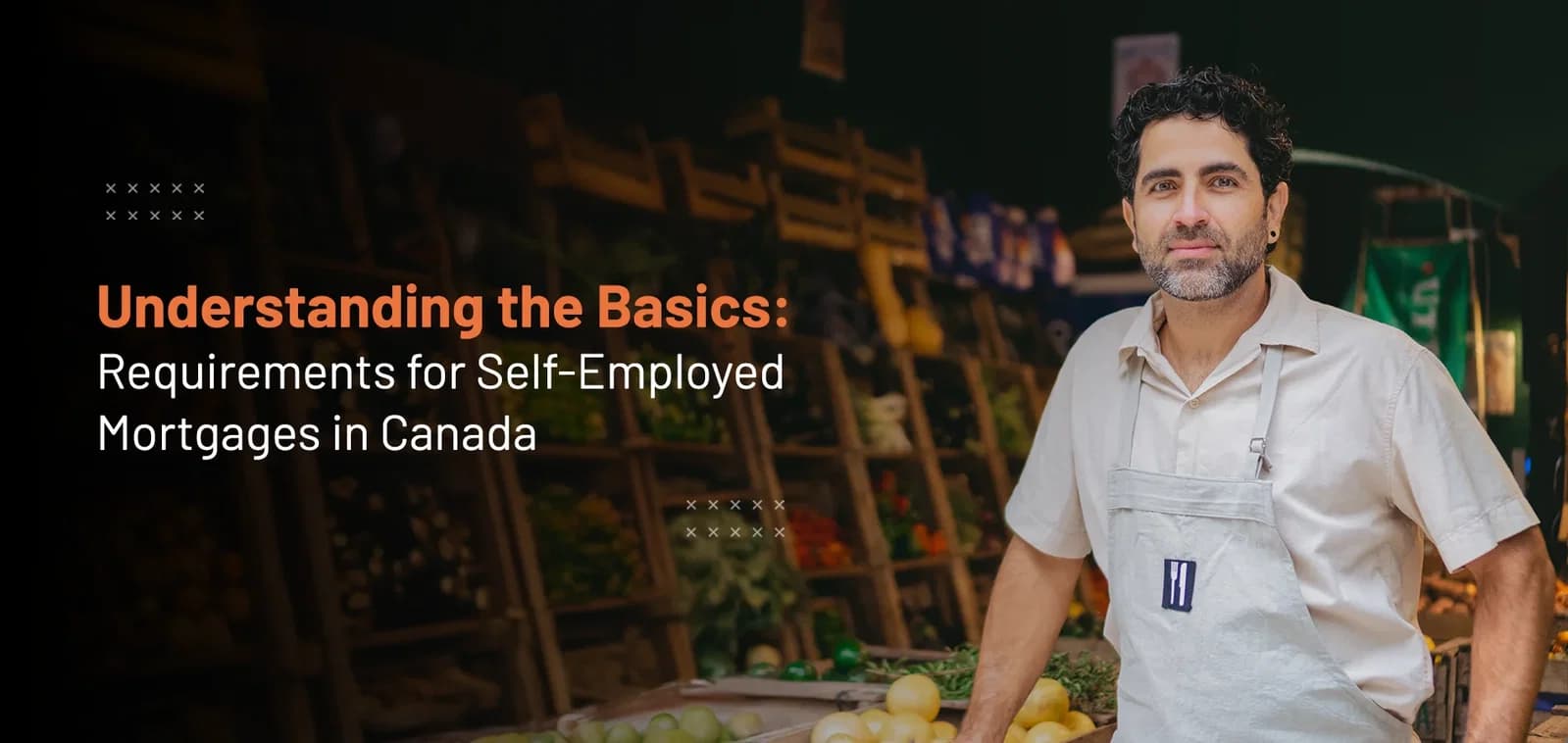
Do you have any idea about the number of self-employed Canadians who don’t have a steady income? It’s over 2.6 million, representing a substantial 15% of the Canadian workforce.
Yes, you heard that right! Most people choose to be self-employed because they get to be their own boss and enjoy freedom and flexibility in their day-to-day work.
No doubt, the self-employed lifestyle may seem appealing because of the many benefits it offers. However, you need to keep in mind that by being self-employed, you’ll also have to face certain challenges especially when it comes to home-buying. At times, self-employed individuals need to meet specific requirements such as proving they have a stable income, which might be hard for them.
Now you might be curious to know what a self-employed individual in Canada does in such situations. Well, there’s nothing much to worry about. Fortunately, you can be a homeowner without giving up your dreams of being an entrepreneur. In Canada, a self-employed mortgage enables you to enjoy the perks of both worlds.
Here are the requirements to boost your chances of approval for a self-employed mortgage in Canada.
01A Strong Credit Score
Just like with other mortgage types, you need to have a good credit report and score to qualify for a self-employed loan. Having a credit score of around 680 or higher is essential for loan eligibility. If your credit score is below this, you can still apply for the self-employed loan but you might face a higher interest rate.
02Tax Documents from the Last Two Years
When applying for a self-mortgage loan in Canada, you must submit at least two years of personal income tax returns. Providing this information assures the lender that you have a steady income to manage the mortgage payments.
03Proof of Income

As a self-employed borrower, you might have to hand in financial documents, business tax records, or an assessment notice from the Canada Revenue Agency to verify your income. You’ll also need to present your bank statements and invoices to verify your steady income stream.
04A Larger Down Payment
Self-employed mortgage borrowers have to make a larger down payment than traditional borrowers. Lenders usually require self-employed borrowers to put down either 10% or 20% of the loan amount.
05Hiring an Accountant
Another smart way to boost your chances of getting accepted for a self-employed mortgage in Canada is to hire an accountant. With an accountant’s help, you can make your financial statements, file taxes correctly, and get smart financial advice that might improve your chances of qualifying for a mortgage.
Unlock Your Dream Home with a Self-Employed Mortgage
If you’re self-employed in Canada and buying your first home, don’t feel constrained by the traditional mortgage options. The self-employed mortgage is specifically tailored for independent workers, offering you flexibility in payments and higher borrowing caps. In a nutshell, as a self-employed individual, you can enjoy the best of both worlds - owning a beautiful home and also a thriving business.


Blog Search
Popular Blogs
Popular Blogs
The trademarks MLS®, Multiple Listing Service® and the associated logos identify professional services rendered by REALTOR® members of CREA to effect the purchase, sale and lease of real estate as part of a cooperative selling system.