Blog Search
The Importance of Home Inspections and What To Look For?

Finding that dream property is an exciting journey – the kind that makes you envision cosy evenings and vibrant mornings in your new home. But before you dive headfirst into the commitment pool, there is one important step you don't want to skip – the home inspection.
Think of it as the health check-up for your potential home, ensuring it's got sturdy bones and no hidden surprises waiting to spring up. After all, you wouldn't buy a car without a test drive, so why not give your future home the same attention?
What is a home inspection?
A professional home inspector conducts a home inspection, evaluating and reporting on the general state of your residence. Imagine it as a visit to the doctor for a check-up, where your general health is evaluated. You will receive a report after the inspection to determine whether your home looks to have good bones or if anything further needs to be looked at. Every area of the house, including the plumbing, heating, cooling, electrical, insulation, and both the inside and exterior of the property, will be covered in a conventional home inspection report.
Do I need a home inspection?

Every Canadian province recommends a house inspection even though it's not legally necessary. You should conduct your research to fully comprehend your new house, even if the previous owners conducted an inspection. Although most Canadian provinces cover new construction with a new house warranty (called a "new home guarantee" in Quebec), a pre-purchase examination is still advised for newly built homes. A home inspection can uncover deeper problems or the need for costly upgrades, particularly in older properties. Spending a few hundred dollars on an inspection could result in significant cost savings later or have a significant impact on the actual worth of the house you are purchasing.
When does a home inspection take place?
A house inspection usually occurs before closing, giving you time to renegotiate or even end the deal should the examination reveal issues with the new home's fundamental systems or physical construction. When you submit an offer, your contract usually contains a contingency that allows you the ability to back out if the inspection reveals any deal-breakers and depends on a verified home inspection to guarantee your new house is up to par. Sellers can also arrange for an examination in advance of selling the house to determine what kind of repairs will be required. After that, you have the option of doing these repairs yourself or giving the buyer responsibility. In any case, knowing the general condition and integrity of your house allows you to anticipate any concerns that potential purchasers may have before making a purchase.
Why is a home inspection so important?
After you buy a property, a home inspection makes sure your money is well spent and that there are no unpleasant surprises. If you don't get an inspection, you might find mould, floods, or a foundational problem that would cost a lot to remedy. The report will highlight any flaws or repairs that your house needs. An inspector can make sure that the builder has complied with all contractual requirements if you've had a new home built. You can estimate future expenses and requirements for this property by hiring someone knowledgeable and experienced in identifying flaws, damage, and potential problems. A home inspection is important because it provides an opportunity to examine under the surface and determine the actual condition of the house, your expectations for it, and any additional costs that may arise.
What to look for in a home inspection?
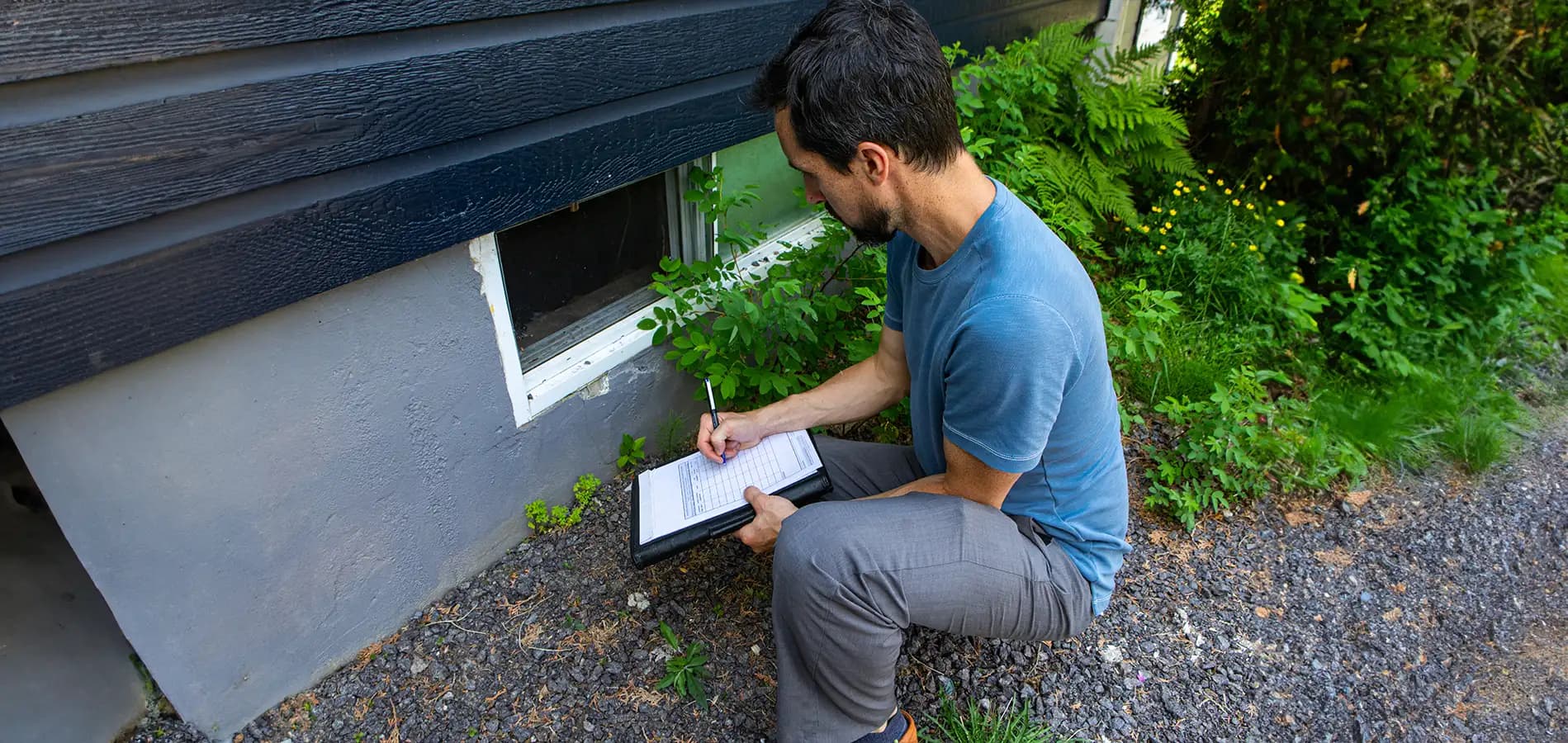
01When checking a house, ensure the basics are sound
Look at the foundation for cracks, check for septic leaks, and confirm proper drainage.
Examine walls, windows, and doors for straightness, and assess siding, bricks, and paint for damage.
Inspect the roof for missing shingles, and ensure gutters are intact.
Check chimneys, detached structures, and fences for rot or termite damage.
Check for roof stains, decay, and proper ventilation.
Confirm sufficient and well-installed insulation.
Check kitchen plumbing, exhaust fans, garbage disposal, and appliances.
Inspect interior rooms for level floors, proper lighting, and functional outlets.
02In the basement
Watch for moisture and water damage.
Ensure the sump pump functions.
03 Assess the electrical system
Good wiring, correct service panel capacity, secure cables, and no exposed splices.
Check heating and cooling systems for gas odours, proper operation, clean air filters, and rust-free units.
04Inspect plumbing
For undamaged pipes, a rust-free water heater, acceptable water pressure, and safe hot water temperatures.
Examine bathrooms for plumbing conditions, water pressure, and drainage.
Pro tip: Verify the fireplace's condition, and ensure smoke and carbon monoxide detectors work. Finally, examine stairs for sturdiness.
Ask questions during your home inspection!
It's a good idea to stay there during your house inspection and ask questions. During the inspection, they might provide information and hints that you wouldn't learn from the final report. You can also ask particular questions if you've looked around. Show an inspector a fracture you spotted in the foundation, for instance. They may tell you it's just a natural ageing process or emphasise that it indicates a shifting underlying problem. They might be able to tell you more about the house's past and whether the electrical or plumbing systems need to be replaced.
So, there you have it – the inside scoop on why a home inspection is your home-buying superhero. It's not just about avoiding nasty surprises; it's about making a smart investment and safeguarding your hard-earned money. Whether it's an old charm or a brand-new build, the inspection is your backstage pass to understanding the true character of your prospective home. So, don't shy away from asking questions, snapping pictures, and delving into the nitty-gritty details. A few hours of inspection could save you from future headaches and ensure that your new home isn't just a dream but a sound reality.


Blog Search
Popular Blogs
Popular Blogs
The trademarks MLS®, Multiple Listing Service® and the associated logos identify professional services rendered by REALTOR® members of CREA to effect the purchase, sale and lease of real estate as part of a cooperative selling system.