Blog Search
The Domino Effect: How Unemployment Could Topple Canada’s Housing Market

Recent data from Statistics Canada revealing a climbing unemployment rate paints a worrying picture. This isn't just a concern for individual job seekers; it has the potential to significantly impact the housing market. As people lose their jobs, their ability to afford mortgages or even rent diminishes. This can lead to a decline in buyer demand, potentially triggering a domino effect. Fewer buyers could result in stagnant or falling housing prices, and in the worst-case scenario, an increase in foreclosures as homeowners struggle to keep up with payments.
The interplay between unemployment rates and the housing market is a critical aspect of the economy. So, as we delve into this complex dynamic, let's explore how unemployment and the housing market are interconnected, and what it might mean for Canada's economic landscape.
Rising Unemployment Rates
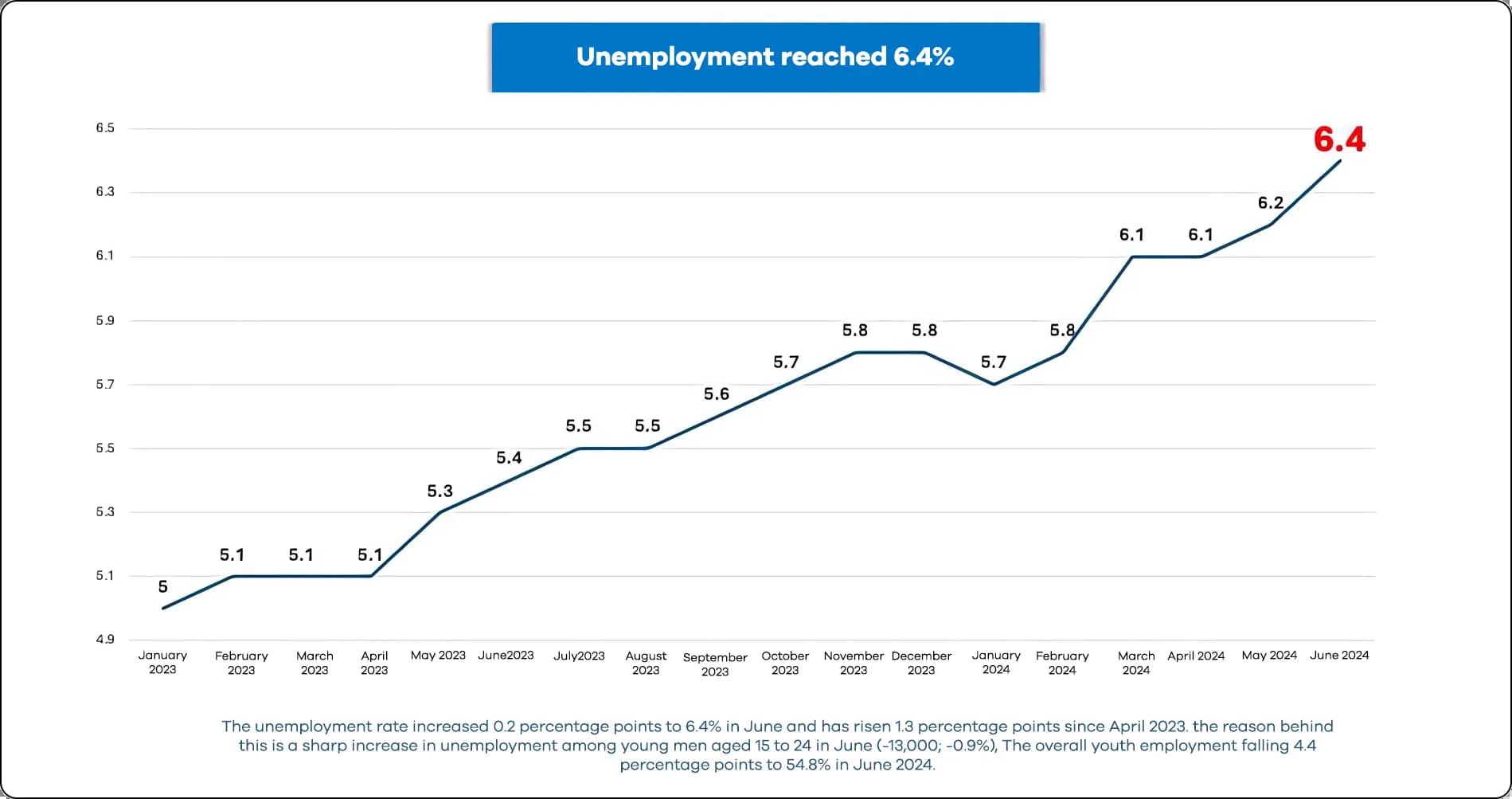
The Employment Statistics Report for June 24, released by Statistics Canada on July 5, reveals that the national unemployment rate rose by 0.2 percentage points to 6.4% in June. This marks an increase of 1.4 percentage points since January 2023. Ontario, one of the most populous provinces, saw its unemployment rate climb to 7% in June, up 0.3 percentage points from May. These figures underscore a growing concern in the labour market, particularly as corporations face higher borrowing costs, leading to stricter measures to improve profits and lower production costs. Consequently, layoffs and employment insecurity have become more prevalent.
This rise in unemployment rates is not an isolated incident but rather part of a broader trend that has been unfolding over the past several months. The increase in borrowing costs has made it more expensive for companies to finance their operations, prompting many to cut back on expenses, including labor costs. This has led to a wave of layoffs across various industries, further exacerbating the unemployment situation. As unemployment rises, consumer confidence tends to wane, leading to reduced spending and investment, which in turn impacts the broader economy.
Unemployment Across Age Groups
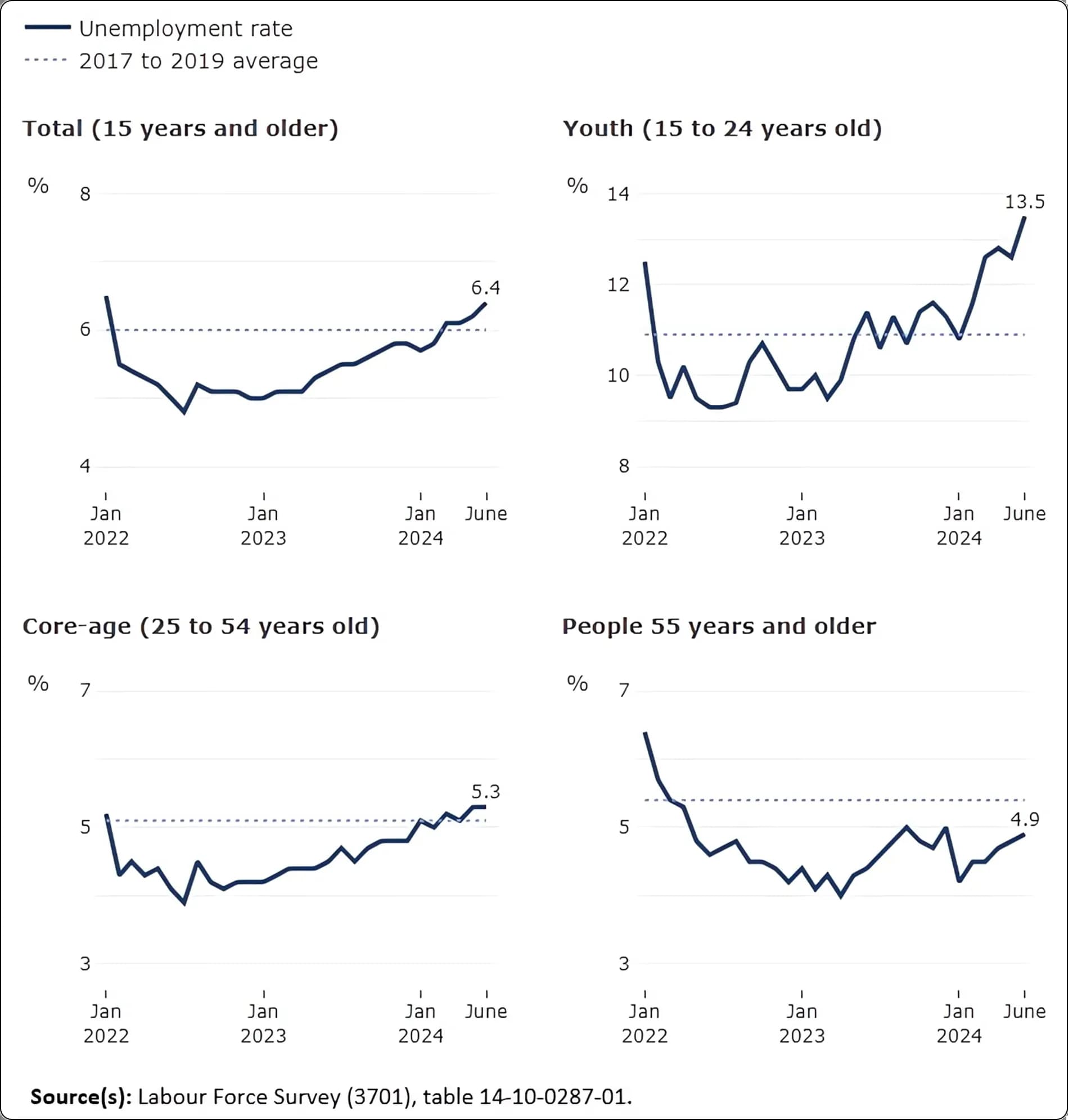
Different age groups have been affected by rising unemployment rates to varying degrees. The 15-24 age group experienced a significant increase in unemployment, reaching 13.5%. This age group often includes recent graduates and individuals entering the workforce for the first time, making them particularly vulnerable to economic fluctuations. The high unemployment rate in this demographic is concerning because it can lead to long-term negative effects on their career prospects and earning potential.
In contrast, the core working-age group (25-54) has a relatively lower unemployment rate of 5.3%. While many in this group can still manage their mortgages, those who stretched their budgets to purchase homes are struggling to meet their financial obligations. This group, often seen as the backbone of the economy, is crucial for maintaining economic stability. Their ability to keep up with mortgage payments and maintain consumption levels is vital for the health of the housing market and the broader economy.
Impact On The Housing Market
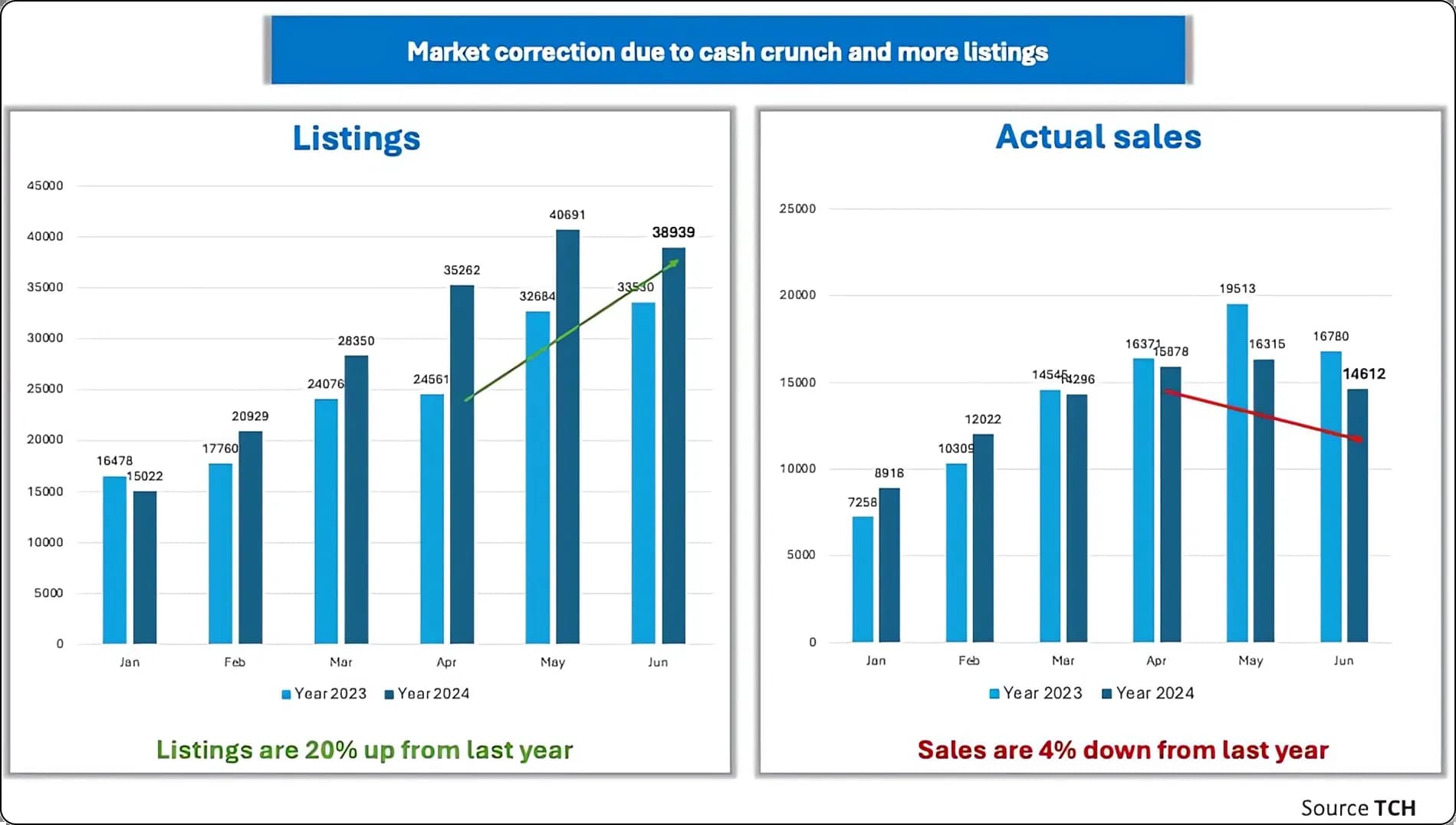
The housing market has not been immune to the effects of rising unemployment. The average price of homes fell in June following a rate cut by the Bank of Canada, indicating uncertainty in the market. The correlation between employment rates and housing prices is evident: as employment rates decline, so does consumer confidence, leading to reduced demand for housing and lower prices.
First, rising unemployment reduces the number of potential homebuyers in the market. When people are out of work, they are less likely to make significant financial commitments, such as purchasing a home. Second, those who are already homeowners but have lost their jobs may be forced to sell their properties, increasing the supply of homes on the market and putting downward pressure on prices.
Additionally, an increase in delinquency rates has been observed since January 2023. Homeowners who purchased properties beyond their means are now listing their homes for sale, unable to keep up with mortgage payments. This trend highlights the importance of prudent financial planning and the risks associated with overextending oneself in the housing market.
Interest Rate Adjustments And Future Outlook
In response to rising unemployment and its potential impact on the economy, the Bank of Canada announced a rate cut on June 5. The expectation is that lower interest rates will stimulate borrowing and spending, thereby boosting employment. Further rate cuts are anticipated, especially now that inflation has gone down gain by a few notches. The announcement scheduled for July 24 may provide additional insights into future monetary policy adjustments.
Despite these measures, the immediate effects of the rate cut on unemployment are yet to be observed. Lower interest rates can make borrowing more affordable, encouraging investment and consumption, which can help to create jobs and reduce unemployment. However, the impact of rate cuts on the housing market is more nuanced. While lower rates can make mortgages more affordable, they can also signal economic instability, which may deter potential buyers.
Broader Economic Implications

As unemployment rises, consumer spending typically decreases, leading to slower economic growth. This reduction in spending can affect various sectors, from retail to manufacturing, creating a ripple effect throughout the economy. Lower consumer confidence can also lead to reduced investment in housing, further exacerbating the downturn in the housing market.
Moreover, the housing market is often seen as a barometer of economic health. A decline in home prices can erode household wealth and reduce consumer spending, creating a feedback loop that can further depress economic activity. Homeowners who see the value of their properties decline may feel less wealthy and more inclined to cut back on spending, further slowing economic growth.
Policy Responses And Future Considerations
Policymakers face significant challenges in addressing the dual issues of rising unemployment and a weakening housing market. Interest rate cuts are one tool, but their effectiveness can be limited in the face of broader economic headwinds. Fiscal policies, such as increased government spending on infrastructure projects, can help to create jobs and stimulate economic activity. Additionally, targeted support for affected industries and demographics, such as young workers, can help to mitigate the impacts of rising unemployment.
Looking ahead, the future of the housing market will depend on a range of factors, including the trajectory of the labour market, interest rate decisions, and broader economic conditions. While the Bank of Canada’s rate cuts are a step in the right direction, their full impact will take time to materialise. In the meantime, homeowners and potential buyers must navigate a landscape characterized by uncertainty and volatility.


Blog Search
Popular Blogs
Popular Blogs
The trademarks MLS®, Multiple Listing Service® and the associated logos identify professional services rendered by REALTOR® members of CREA to effect the purchase, sale and lease of real estate as part of a cooperative selling system.