Blog Search
The Bank of Canada’s Multifaceted Approach to Shelter Inflation
In recent times, the Bank of Canada has been grappling with a peculiar challenge: shelter inflation. This issue has gained prominence alongside broader economic concerns, particularly as interest rates have been slashed, sparking fears of a resurgence in inflation driven by escalating house prices.
What is Inflation?
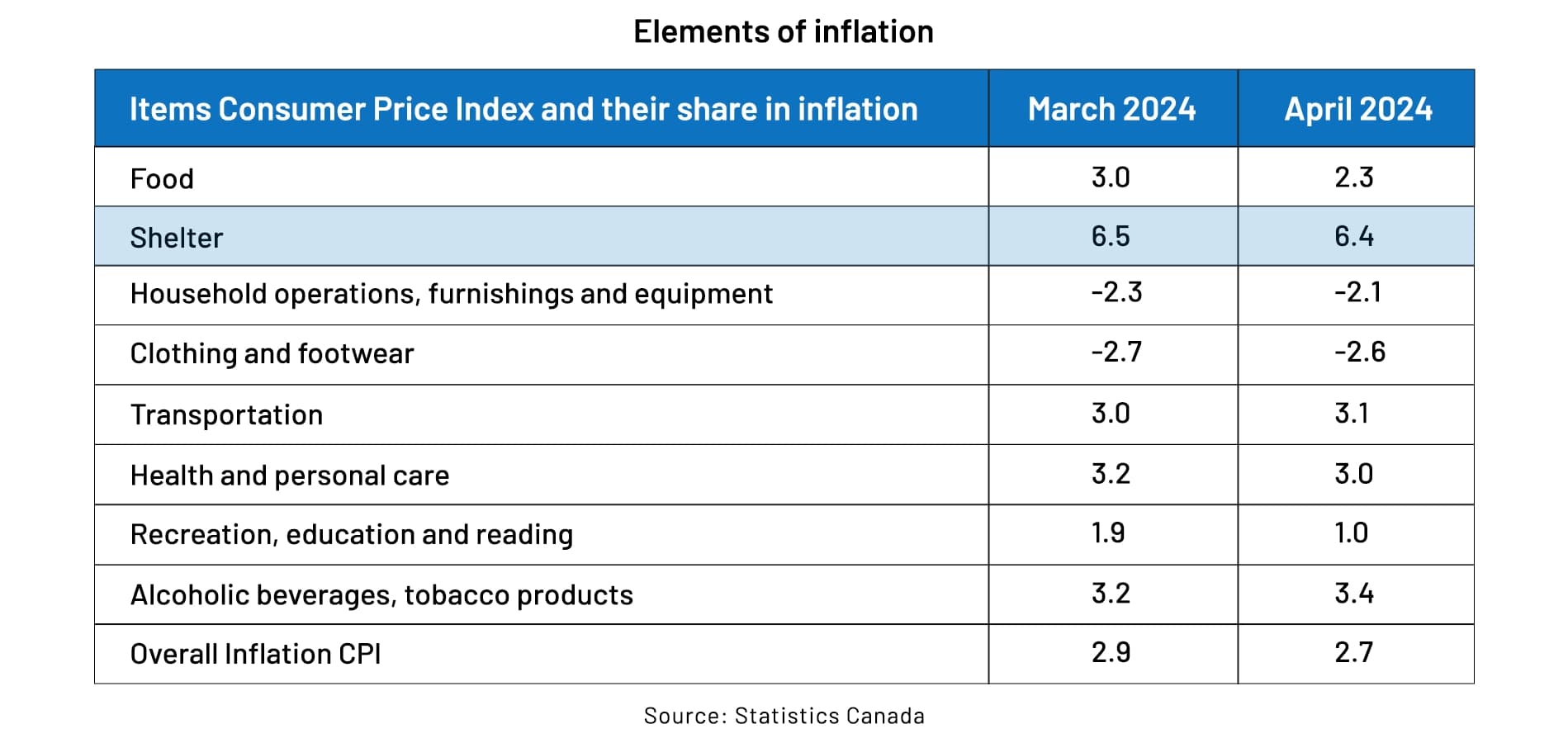
Inflation, as defined by the International Monetary Fund, is the measure of how much more expensive goods and services have become over a specified period, typically a year. We can visualize this concept through a Consumer Price Index (CPI) chart, which tracks the price changes of a basket of goods and services over time. By monitoring inflation through the CPI, policymakers like the Bank of Canada can assess economic stability and consumer purchasing power.
The Role of Shelter in Inflation
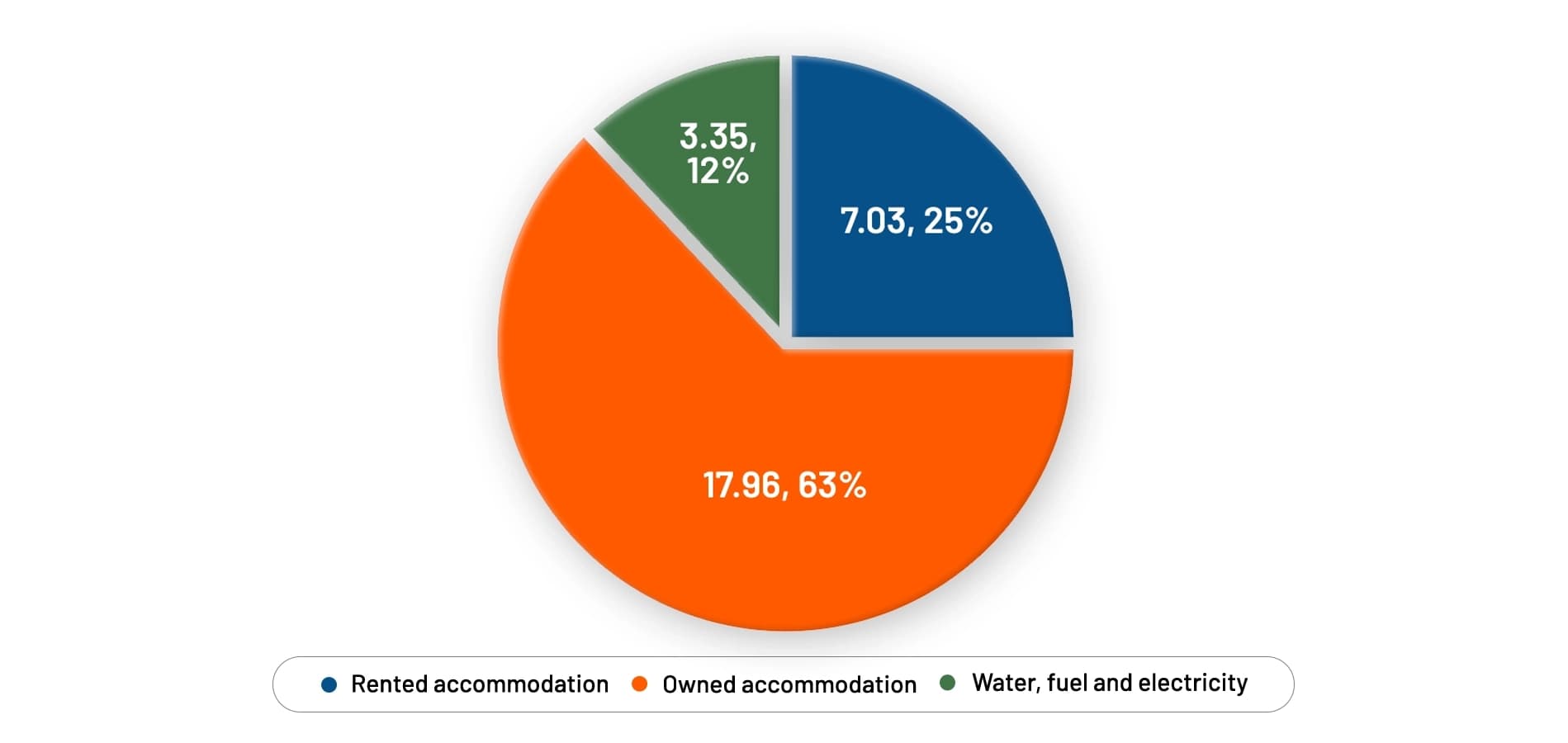
Shelter costs constitute a substantial portion of the Consumer Price Index (CPI), a key metric for inflation. As of recent data from Statistics Canada, shelter accounts for a significant 28% of the CPI basket. This category includes various components such as owned accommodation costs, rent, and associated expenses like mortgage interest payments and homeowners' replacement costs.
Components of Shelter Inflation
Within the shelter category, two critical components stand out:
Mortgage Interest Costs: This index tracks changes in the cost of interest payments on mortgages. It serves as a barometer for economic conditions and how they affect homeowners' financial obligations.
Homeowners' Replacement Costs: This metric reflects the expenses involved in rebuilding or replacing a home if it were destroyed, encompassing materials, labor, and other necessary expenditures.
Recent Trends and Concerns
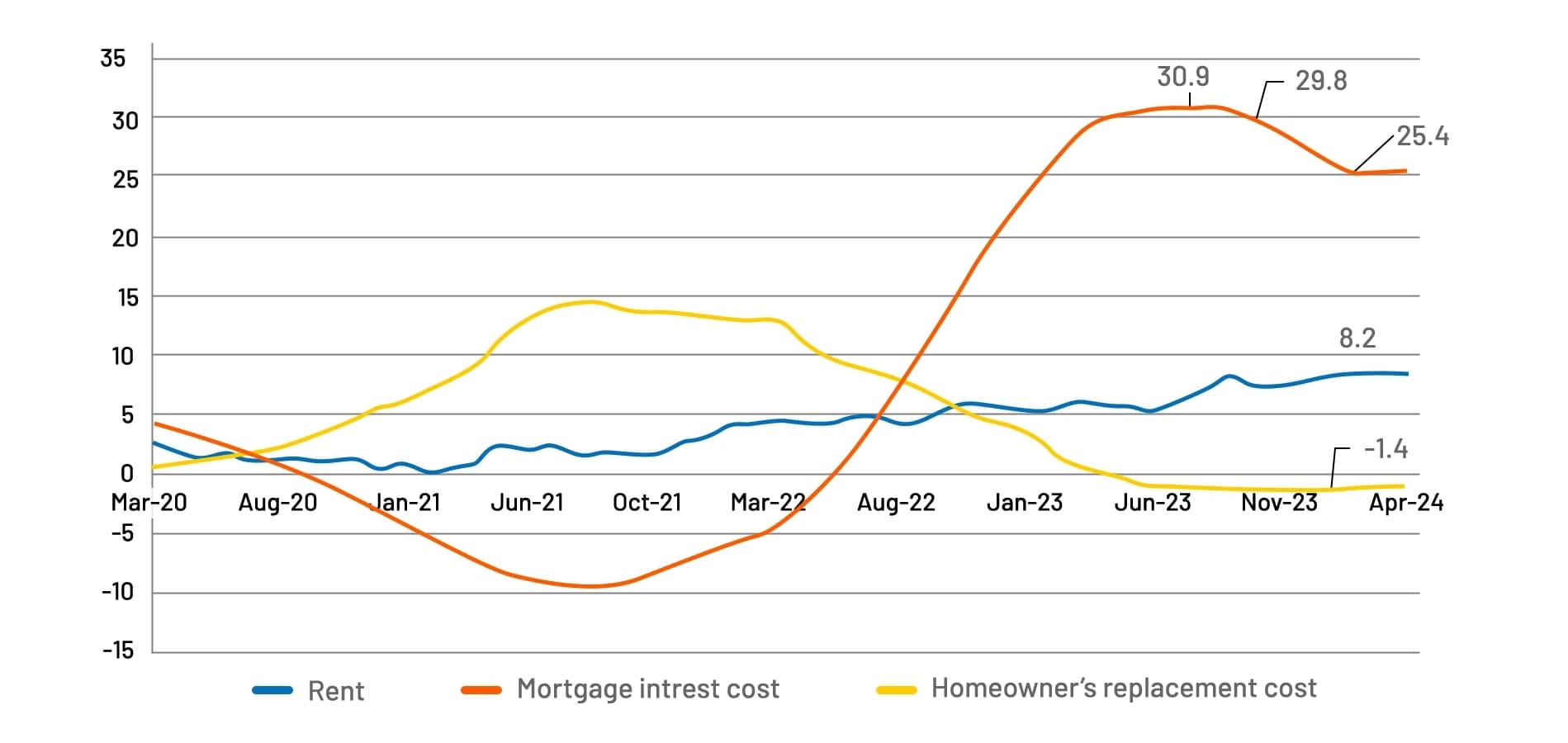
Since February 2020, there have been notable fluctuations in these components. For instance, while property prices have surged, homeowners' replacement costs have seen relative stability due to various factors, including construction costs and market dynamics. Conversely, mortgage interest rates, after reaching a peak in July last year at 31%, have since moderated, offering some relief to homeowners but raising questions about the sustainability of these trends in shaping overall inflation rates.
Rental Market Dynamics
Another critical aspect within the shelter category is the rental market. With rented accommodations constituting 25% of shelter expenses, any significant movements in rental prices can exert substantial pressure on overall inflation figures. Statistics Canada highlights a steady uptrend in average rents since 2021, underscoring the potential for rental costs to contribute significantly to inflationary pressures if unchecked.
Implications of Low Interest Rates
The decision to lower interest rates has been aimed at stimulating economic activity and mitigating the adverse impacts of global economic uncertainties. However, the unintended consequence of ultra-low rates is the potential for fueling housing market exuberance, which historically correlates with inflationary spikes, particularly within the shelter sector.
Balancing Act for Policymakers
For the Bank of Canada, navigating these dynamics involves a delicate balancing act. On one hand, stimulating economic growth and managing debt service costs for homeowners are priorities. On the other, ensuring that inflation remains within target ranges is essential for maintaining economic stability and consumer confidence.
Conclusion
As we delve into the nuances of Canada's current economic landscape, shelter inflation emerges as a pivotal issue demanding attention. With interest rates set on a downward trajectory and housing prices showing resilience, the Bank of Canada faces a formidable challenge in steering the economy towards sustainable growth while averting inflationary pressures. Vigilance in monitoring key indicators within the shelter sector, such as rental costs and mortgage dynamics, will be crucial in shaping effective monetary policies that strike the right balance between growth and stability.
In essence, the Bank of Canada's approach to managing shelter inflation will not only shape the near-term economic outlook but also influence the long-term trajectory of Canada's economic resilience and prosperity.


Blog Search
Popular Blogs
Popular Blogs
The trademarks MLS®, Multiple Listing Service® and the associated logos identify professional services rendered by REALTOR® members of CREA to effect the purchase, sale and lease of real estate as part of a cooperative selling system.