Blog Search
How to Read Between the Lines of a Real Estate Listing: 6 Smart Buyer Tips
Browsing real estate listings can feel like flipping through a stack of polished brochures—everything sounds appealing on the surface. But if you've ever visited a home that looked perfect online but fell flat in person, you already know the importance of reading between the lines. Real estate listings are carefully crafted to highlight a property’s strengths and soften its flaws. Understanding what’s being said—and what’s being left out—can save you time, money, and a lot of frustration. So, before you start your hunt for houses for sale in Ontario, read our blog.
01Pay Attention to the Language
Phrases like “cosy” and “charming” can often be euphemisms. “Cosy” might mean small, while “vintage” could signal that the home needs major updates. Words like “potential” and “investment opportunity” suggest the property may require work or isn’t move-in ready. On the flip side, listings that use terms like “renovated” or “upgraded” should ideally mention specific improvements—if they don’t, ask questions.
02Look Beyond the Photos
Photos can be deceiving. Wide-angle lenses make rooms appear larger, and strategic lighting can hide flaws like poor natural light or wear and tear. If a listing has very few photos—or skips key areas like the basement, bathroom, or exterior—that could be a red flag. Always wonder why something isn’t being shown.
03Check the Square Footage and Layout
Some listings highlight the total square footage without clarifying how it’s divided. For example, including a finished basement in the total area might make the home seem more spacious than it actually is. If available, look for floor plans and understand how space is allocated. A 1,500-square-foot home with a poor layout might feel smaller than a 1,200-square-foot home with smart design.
04Consider the Neighbourhood Details
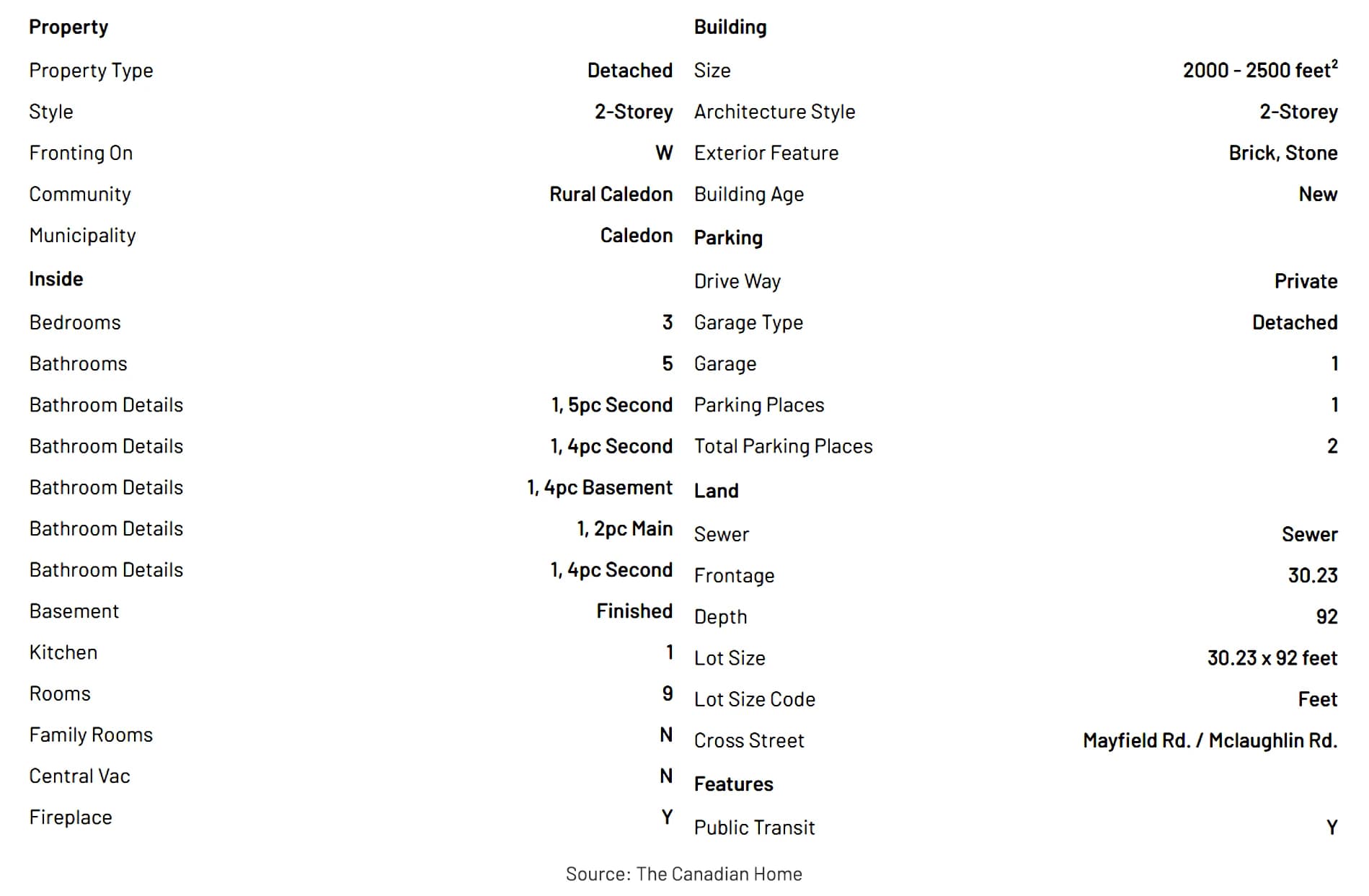
If a listing emphasises the neighbourhood more than the house itself, it might be trying to compensate for shortcomings in the property. While location is crucial, a good listing balances both the home and the area. Take note of what's not mentioned—if schools, parks, or transit access aren’t mentioned, you may want to do additional research on those aspects.
05Evaluate the Listing Timeline and Pricing
If a home has been sitting on the market for a long time or the price has been reduced multiple times, there may be an underlying issue. A great-looking listing that isn’t selling could mean problems with the property, the pricing, or the neighbourhood. Check the listing history and compare it with similar properties in the area.
06Ask Your Agent the Right Questions
Your real estate agent can help you translate listing language and spot red flags. Ask them what’s not being said in the listing. Is the property near a highway? Are there ongoing community issues? Has the seller tried to sell before? A good agent reads between the lines, so you don’t have to do it all alone.
Final Thoughts
Real estate listings are designed to attract, not to tell the whole story. By approaching them with a critical eye and a bit of healthy scepticism, you’ll be better equipped to find a home that truly meets your needs, without any surprises after the showing.

Blog Search
Popular Blogs
Popular Blogs
The trademarks MLS®, Multiple Listing Service® and the associated logos identify professional services rendered by REALTOR® members of CREA to effect the purchase, sale and lease of real estate as part of a cooperative selling system.